Introduction
Tail Lifts are essential lifting systems used on commercial vehicles to make loading and unloading heavy goods safer, faster, and more efficient. They are mounted at the rear of trucks, vans, and pickup vehicles and use hydraulic power to lift cargo between ground level and the vehicle bed. Tail lift helps reduce manual handling, improve workplace safety, and increase productivity across a wide range of industries.
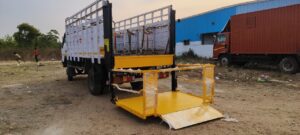
Whether transporting gas cylinders, retail products, machinery, or palletized goods, Tail Lift provides a reliable solution for handling heavy loads with ease.
What Are Tail Lifts?
Tail Lift is hydraulic platforms attached to the rear of commercial vehicles. Their primary purpose is to raise and lower goods, eliminating the need for manual lifting or additional loading equipment.
They are available in different sizes and lifting capacities to suit various vehicle types and business requirements.
What Do Tail Lifts Do?
The main function of Tail Lift is to simplify cargo handling by lifting heavy loads safely between the ground and the vehicle.
Lift Heavy Cargo Safely
Tail lifts reduce the physical effort required to move heavy items, lowering the risk of workplace injuries.
Speed Up Loading and Unloading
By automating the lifting process, tail lifts help complete deliveries more quickly and efficiently.
Improve Workplace Safety
Hydraulic lifting systems minimize manual handling and reduce the likelihood of accidents caused by lifting heavy objects.
Protect Goods from Damage
A stable lifting platform keeps cargo secure during loading and unloading, reducing the chance of product damage.
Increase Operational Efficiency
Businesses can complete more deliveries in less time, improving productivity and customer satisfaction.
How Tail Lift Works
Tail lifts operate using a hydraulic system powered by an electric or hydraulic pump.
Step 1: Lower the Platform
The platform is lowered from the vehicle to ground level.
Step 2: Load the Cargo
Goods are placed securely on the platform.
Step 3: Lift the Load
The hydraulic system raises the platform smoothly to the vehicle floor.
Step 4: Move the Cargo
The cargo is transferred safely into or out of the vehicle.
Common Applications of Tail Lifts
Tail Lifts are widely used across many industries.
Logistics and Transportation
They simplify the movement of parcels, pallets, and heavy shipments.
Gas Cylinder Distribution
Tail lifts safely handle LPG, oxygen, and industrial gas cylinders.
Retail Deliveries
Retail businesses use tail lift to transport appliances, furniture, and packaged goods.
Food and Beverage Industry
They assist in loading beverages, frozen products, and food supplies.
Warehousing
Tail lift improves loading efficiency between warehouses and delivery vehicles.
Manufacturing
Factories use tail lift to transport machinery, tools, and production materials.
Benefits of Tail Lifts
Enhanced Safety
Reduces manual lifting and helps create a safer working environment.
Faster Operations
Speeds up loading and unloading, reducing delivery time.
Lower Labor Costs
Requires fewer workers to move heavy goods.
Improved Productivity
Allows businesses to complete more deliveries throughout the day.
Versatile Cargo Handling
Suitable for handling a wide range of products, including palletized goods, equipment, and gas cylinders.
Reliable Performance
Hydraulic systems provide smooth and consistent lifting for daily commercial use.
Types of Tail Lifts
Cantilever Tail Lifts
Designed for heavy-duty commercial vehicles and larger cargo.
Column Tail Lifts
Ideal for medium-duty vehicles requiring vertical lifting.
Retractable Tail Lifts
Fold underneath the vehicle when not in use, saving space.
Pickup Vehicle Tail Lifts
Compact systems designed specifically for pickup trucks and light commercial vehicles.
Choosing the Right Tail Lift
When selecting Tail Lift, consider:
- Vehicle type and size
- Required lifting capacity
- Platform dimensions
- Frequency of use
- Hydraulic system quality
- Safety features
- Maintenance requirements
Choosing the right tail lift ensures efficient operation and long-term reliability.
Maintenance Tips
Proper maintenance keeps Tail Lift operating safely and efficiently.
Inspect Before Use
Check the platform, controls, and hydraulic components before operation.
Maintain Hydraulic Oil
Ensure the hydraulic system has the correct oil level and inspect for leaks.
Lubricate Moving Parts
Regular lubrication helps reduce wear and extend equipment life.
Keep the Platform Clean
Remove dirt and debris to maintain smooth operation.
Schedule Regular Servicing
Routine maintenance helps identify issues early and improves long-term performance.
Safety Tips for Operating Tail Lift
- Never exceed the rated lifting capacity.
- Place cargo evenly on the platform.
- Ensure the vehicle is parked on level ground.
- Keep people clear of the moving platform.
- Inspect safety locks and controls before use.
- Follow the manufacturer’s operating instructions.
Conclusion
Tail Lifts play an important role in modern cargo handling by making loading and unloading safer, faster, and more efficient. They reduce manual labor, improve workplace safety, protect valuable goods, and increase productivity across industries. Whether used in logistics, retail, manufacturing, or gas cylinder distribution, investing in high-quality Tail Lift helps businesses streamline operations and enhance delivery performance.
Frequently Asked Questions (FAQs)
What are Tail Lifts used for?
Tail Lifts are used to safely lift and lower heavy goods between ground level and a commercial vehicle, making loading and unloading easier.
Which industries commonly use Tail Lifts?
Tail Lifts are commonly used in logistics, retail, manufacturing, warehousing, food distribution, and gas cylinder transportation.
What are the main benefits of Tail Lifts?
The main benefits include improved safety, faster cargo handling, reduced manual labor, lower operating costs, and increased productivity.
Are Tail Lifts suitable for pickup vehicles?
Yes. Compact Tail Lift is available for pickup vehicles, making them ideal for transporting smaller but heavy loads efficiently.