
A tail lift is a valuable vehicle-mounted lifting system designed to make loading and unloading goods easier, safer, and more efficient. It is commonly used on delivery trucks, commercial vehicles, distribution vehicles, and transport fleets where goods need to be moved between the ground and the vehicle deck.
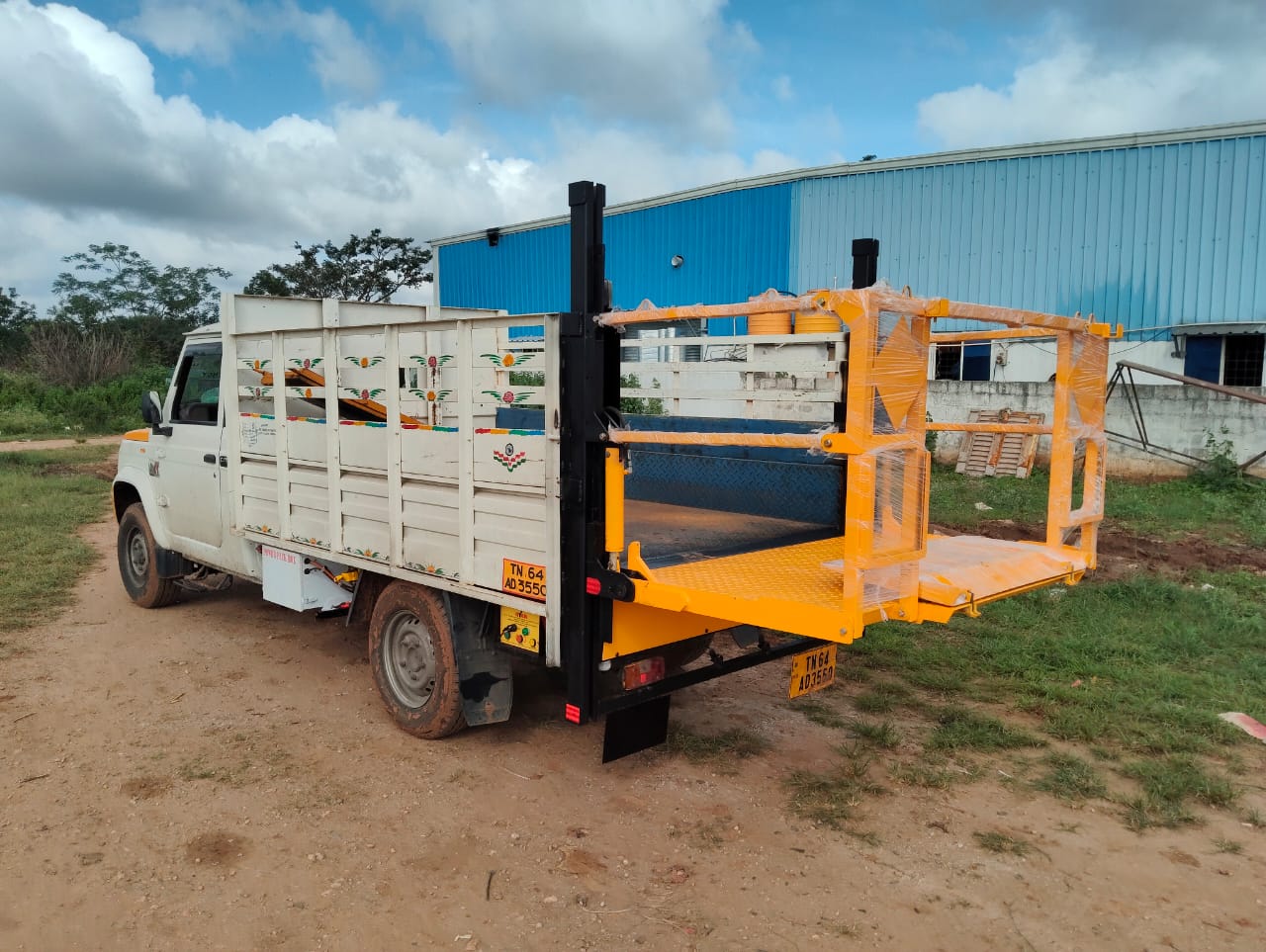
Knowing how to use a tail lift correctly helps operators handle goods efficiently while reducing unnecessary manual effort. Proper operation also supports workplace safety and helps protect both the equipment and the cargo.
How to Use a Tail Lift
Although operating procedures vary by model, the following steps provide a general guide.
-
Park the Vehicle Safely
Park the vehicle on a stable, level surface before operating the tail lift. Apply the parking brake and make sure the surrounding area is clear of pedestrians, vehicles, and other obstacles.
If the vehicle is positioned on an uneven surface, the platform may become unstable during operation.
-
Check the Tail Lift Before Operation
Inspect the platform, hydraulic components, hinges, safety features, controls, and visible connections before use. Look for signs of damage, leaks, loose components, or unusual wear.
Do not operate the equipment if you identify a serious mechanical or hydraulic problem.
-
Check the Load Weight
Always confirm that the cargo is within the rated lifting capacity of the tail lift. The maximum capacity varies depending on the model and its specific design.
Never exceed the manufacturer’s recommended load limit, as overloading can affect stability and equipment performance.
-
Position the Cargo Correctly
Place the load carefully on the platform and distribute its weight as evenly as possible. Keep the cargo stable and prevent it from rolling, sliding, or falling from the platform.
Use suitable restraints when required for the type of cargo being transported.
-
Lower the Platform
Use the designated controls to lower the platform toward the ground. Stand clear of moving components and keep hands, feet, and other body parts away from pinch points.
Operate the controls smoothly rather than making sudden movements.
-
Load or Unload the Goods
Once the platform reaches the appropriate position, move the goods carefully between the ground and the vehicle. Use suitable equipment, such as pallet trucks or trolleys, when appropriate.
Avoid placing people under a raised platform or allowing unauthorized individuals to operate the equipment.
-
Raise the Platform
After loading or unloading, operate the controls to raise the platform according to the manufacturer’s instructions. Make sure the load remains stable during the lifting process.
Keep the operating area clear while the platform is moving.
-
Secure the Tail Lift for Travel
Once the loading or unloading operation is complete, return the tail lift to its designated travel position. Ensure that it is properly secured before the vehicle moves.
A tail lift should never be left in an unsafe or unsecured position during transportation.
Important Safety Tips for Tail Lift Operation
Safety should always be a priority when using a tail lift. Operators should:
- Follow the manufacturer’s operating instructions.
- Never exceed the rated lifting capacity.
- Keep people away from the moving platform.
- Avoid standing beneath a raised platform.
- Keep the platform clean and free from unnecessary obstacles.
- Inspect the equipment before each use.
- Use appropriate personal protective equipment where required.
- Keep loads balanced and secure.
- Report hydraulic leaks, unusual noises, or mechanical problems immediately.
- Allow only trained and authorized personnel to operate the equipment.