How Does a Truck Tail Lifts Operate?
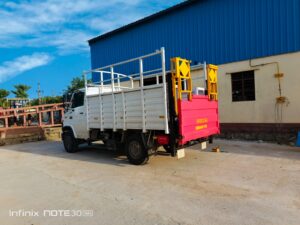
A truck tail lifts are designed to make loading and unloading goods easier by providing a powered platform at the rear of the vehicle. It moves between ground level and the truck floor, allowing goods to be handled with less manual effort.
-
Activating the Tail Lift
The operation begins when the driver or operator activates the control panel. Depending on the design, the controls may be mounted on the side of the vehicle or provided through a handheld remote.
Before operating the lift, the truck should be parked securely with the brakes engaged. This helps provide stability during loading and unloading.
-
Lowering the Platform
The operator lowers the platform toward the ground using the control system. Depending on the model, the platform may remain flat or tilt slightly to create a convenient transition between the ground and the lift.
Goods can then be moved onto the platform using equipment such as a pallet truck, trolley, or other suitable handling equipment.
-
How the Lifting Mechanism Works
Most hydraulic tail lifts use an electric motor and hydraulic pump to operate the lifting mechanism.
The basic process includes:
- Activation: The operator selects the required function using the control switch.
- Power Supply: An electric motor powers the hydraulic pump.
- Hydraulic Pressure: The pump sends hydraulic fluid under pressure to the cylinders.
- Platform Movement: The cylinders extend or retract to raise or lower the platform.
- Positioning: The platform moves to the required height for transferring the goods.
The exact mechanism can vary depending on the type and design of the tail lift.
-
Moving Goods into the Truck
Once the platform reaches the height of the truck floor, goods can be transferred into the vehicle. Some platforms are designed to align closely with the truck deck, creating a smoother transition for moving pallets, trolleys, and other loads.
Operators should always stay within the manufacturer’s specified load capacity and follow the recommended operating procedures.
-
Stowing the Platform
After loading or unloading is completed, the platform is returned to its travel position. Depending on the design, it may:
- Folds into a vertical position at the vehicle’s rear
- Fold into a compact position
- Slide underneath the vehicle chassis
The stowing method depends on the type of tail lift installed.
-
Keeping the Rear of the Truck Clear
A properly stowed tail lift can help maintain access to the rear of the vehicle. Certain designs allow trucks to use loading bays with minimal obstruction when the platform is not required.
Safety Considerations
Safe operation is an important part of using a truck tail lifts. Operators should:
- Park the vehicle securely before use.
- Engage the parking brake.
- Check that the operating area is clear.
- Never exceed the rated lifting capacity.
- Keep people away from moving components.
- Follow the manufacturer’s operating and maintenance instructions.
Conclusion
A truck tail lifts combine a lifting platform with a mechanical, hydraulic, or electric operating system to simplify the movement of goods between ground level and the truck deck. From activating the controls and lowering the platform to lifting, unloading, and stowing it, each stage is designed to support efficient material handling when operated correctly.