A Hydraulic Lift is a powerful lifting system that uses hydraulic pressure to raise and lower heavy loads safely and efficiently. It is widely used in warehouses, factories, logistics, loading docks, commercial vehicles, and manufacturing facilities. By reducing manual handling, a hydraulic lift improves workplace safety, increases productivity, and simplifies material handling operations.
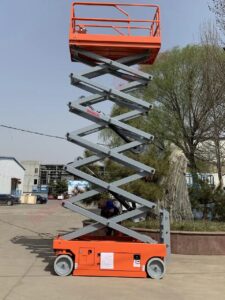
What Is a Hydraulic Lift?
A Hydraulic Lift is a mechanical lifting device that operates using pressurized hydraulic fluid. It converts hydraulic energy into lifting force, allowing heavy objects to be moved with minimal effort. The system provides smooth, controlled lifting and lowering, making it suitable for industrial and commercial applications.
Main Components of a Hydraulic Lift
A hydraulic lift consists of several essential components that work together to deliver reliable lifting performance:
Hydraulic Power Unit (Pump & Motor)
The power unit generates hydraulic pressure by pumping hydraulic fluid through the system. It serves as the main source of lifting power.
Hydraulic Cylinder
The hydraulic cylinder converts fluid pressure into linear motion. As pressure increases, the piston extends, lifting the platform or load.
Control Valve
The control valve regulates the direction and flow of hydraulic fluid. It allows the operator to raise, lower, or stop the lift safely.
Lift Platform
The platform supports the load during lifting and lowering. It is designed to handle heavy materials while maintaining stability.
Hydraulic Fluid
Hydraulic fluid transfers pressure throughout the system and ensures smooth, efficient operation.
Hoses and Pipes
These components transport hydraulic fluid between the power unit, valves, and cylinders, allowing the entire system to function effectively.
How Does a Hydraulic Lift Work?
A lift follows a simple but highly effective working principle based on hydraulic pressure.
-
Power Generation
An electric motor drives the hydraulic pump, which draws hydraulic fluid from the reservoir. The pump then pressurizes the fluid, preparing it for lifting operations.
-
Pressurizing the Fluid
The pressurized hydraulic fluid flows through the control valve and hydraulic hoses toward the hydraulic cylinder.
-
Lifting the Load
As the fluid enters the hydraulic cylinder, it pushes the piston upward. This movement raises the lift platform along with the load, providing smooth and controlled lifting.
-
Lowering the Load
When lowering is required, the control valve releases the hydraulic pressure. The fluid returns to the reservoir, the piston retracts, and the platform descends safely and smoothly.
Key Benefits of a Hydraulic Lift
A hydraulic lift offers several advantages for industrial and commercial operations:
- High lifting capacity for heavy loads
- Smooth and controlled operation
- Improved workplace safety
- Easy-to-use controls
- Durable and reliable construction
- Low maintenance requirements
- Increased productivity
- Reduced manual handling
- Energy-efficient performance
Applications of Hydraulic Lift
lifts are used across a wide range of industries, including:
- Warehouses and distribution centers
- Logistics and transportation
- Manufacturing facilities
- Automotive workshops
- Loading docks
- Construction sites
- Hospitals and healthcare facilities
- Commercial vehicles
- Material handling operations
Conclusion
A Hydraulic Lift is an essential solution for lifting and transporting heavy loads safely and efficiently. By using hydraulic pressure, it provides smooth operation, excellent load capacity, and dependable performance across a variety of industries. With its simple working principle, robust construction, and low maintenance requirements, a hydraulic lift remains one of the most effective material handling systems for modern businesses.