The logistics industry plays a major role in transporting goods safely and efficiently from one location to another. Loading and unloading heavy goods can be challenging, especially when vehicles need to handle cargo at different locations without proper loading docks. A tail lift is an essential material-handling solution that makes these operations easier, safer, and more efficient.
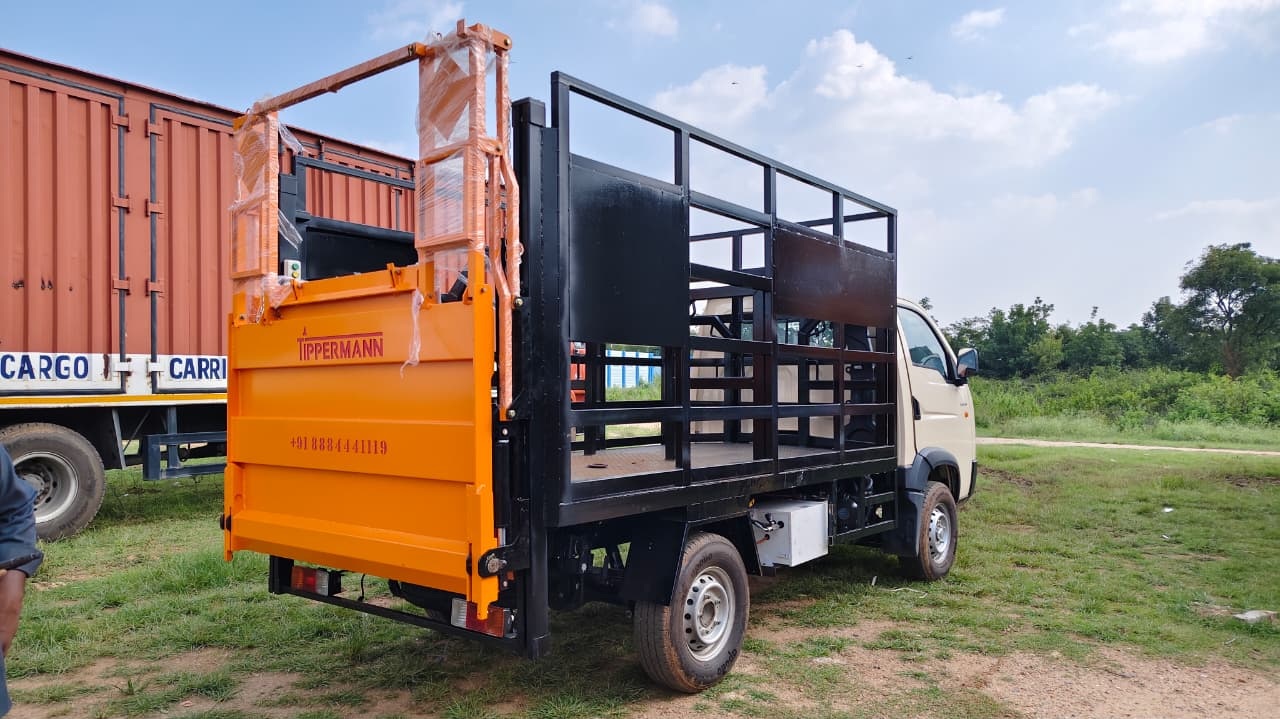
A tail lift is a hydraulic or mechanical lifting platform installed at the rear of a commercial vehicle. It helps raise and lower goods between ground level and the vehicle’s loading floor. From delivery trucks to heavy-duty transport vehicles, tail lifts support smooth cargo handling across various logistics operations.
What Is a Tail Lift in Logistics?
A tail lift is a lifting mechanism fitted to the rear of trucks, vans, and other commercial vehicles. It acts as a movable platform that helps transfer goods between the ground and the vehicle.
Most modern tail lifts operate using a hydraulic system powered by the vehicle’s battery. The operator can control the lifting and lowering process using switches or remote controls.
Tail lifts are commonly used in logistics, warehousing, retail distribution, manufacturing, and transportation industries where regular loading and unloading activities are required.
7 Important Roles of a Tail Lift in Logistics
-
Easy Loading and Unloading of Goods
One of the primary roles of a tail lift is to simplify loading and unloading operations. It lifts heavy cargo from ground level to the vehicle floor and lowers goods safely during delivery.
This reduces the need for manual lifting and makes cargo handling more convenient for logistics workers.
-
Improves Workplace Safety
Handling heavy materials manually can increase the risk of workplace injuries, muscle strain, and accidents. A hydraulic tail lift helps reduce physical effort by mechanically lifting and lowering cargo.
When operated correctly and within its rated capacity, it supports safer material-handling operations.
-
Saves Time During Delivery Operations
In logistics, timely deliveries are essential for maintaining customer satisfaction. A tail lift helps speed up loading and unloading, particularly at locations without dedicated loading docks.
Delivery vehicles can handle cargo more efficiently at warehouses, retail stores, supermarkets, and customer locations.
-
Supports Heavy Cargo Handling
Different logistics operations involve transporting goods of various weights and dimensions. Heavy-duty tail lifts are designed to handle demanding loading and unloading applications.
Depending on the model, lifting capacities can range from a few hundred kilograms to several tonnes.
-
Reduces Dependence on Loading Docks
Not every delivery location has a loading dock or forklift facility. A tail lift provides an independent loading platform, allowing vehicles to handle goods at ground-level locations.
This makes it useful for urban deliveries, construction sites, retail outlets, and distribution centres.
-
Improves Transportation Efficiency
Tail lifts help logistics companies streamline their daily transportation activities. They reduce manual handling requirements, improve loading convenience, and support more organised delivery operations.
These benefits can contribute to better vehicle utilisation and smoother supply chain operations.
-
Protects Goods During Handling
Improper manual handling can cause products to fall, become damaged, or get scratched. A suitable tail lift provides a stable platform for moving cargo between the ground and the vehicle.
Following proper loading procedures and securing goods correctly helps minimise handling-related damage.
Industries That Use Tail Lifts in Logistics
Tail lifts are widely used across industries that depend on regular goods transportation, including:
- Logistics and Transportation: Loading and unloading packages, pallets, and heavy cargo.
- Retail and Supermarkets: Delivering products to stores and distribution centres.
- Manufacturing: Moving industrial components, machinery, and equipment.
- Pharmaceutical Industry: Handling medical supplies and temperature-sensitive products.
- Food and Beverage: Transporting packaged food, beverages, and bulk supplies.
- Construction: Moving building materials and heavy equipment.
- E-commerce: Supporting last-mile delivery and warehouse distribution.
How to Choose the Right Tail Lift for Logistics Operations?
Selecting the right tail lift depends on several important factors:
- Lifting Capacity: Choose a model that matches the maximum cargo weight and loading requirements.
- Vehicle Compatibility: Consider the vehicle’s size, chassis design, and rear installation space.
- Platform Dimensions: Select a suitable platform size for the goods being transported.
- Operating Conditions: Consider daily usage frequency and loading environments.
- Safety Features: Look for appropriate safety controls, overload protection, and stable platform operation.
- Maintenance: Choose a reliable system that supports regular inspection and servicing.
Why Are Tail Lifts Important for Modern Logistics?
Modern logistics operations demand faster deliveries, improved workplace safety, and efficient cargo handling. Tail lifts help meet these requirements by simplifying loading and unloading activities.
They are particularly valuable for businesses that deliver goods to multiple locations without access to permanent loading facilities. By reducing manual handling and improving operational convenience, tail lifts contribute to smoother transportation and distribution processes.
Conclusion
A tail lift plays an important role in modern logistics by making goods loading and unloading easier, safer, and more efficient. From hydraulic cantilever tail lifts to heavy-duty column tail lifts, different designs support different transportation requirements.
For logistics companies, selecting the right tail lift can improve cargo-handling operations, reduce physical effort, and support reliable delivery services. Investing in suitable material-handling equipment is an important step towards building an efficient logistics operation.