
In today’s fast-paced logistics and transportation industry, efficiency, safety, and reliability are essential for successful operations. One of the most valuable pieces of equipment that helps businesses streamline loading and unloading activities is the Transport Tail Lift. Designed to simplify material handling, transport tail lifts have become an integral part of commercial vehicles used across various industries.
Whether transporting retail goods, industrial equipment, medical supplies, gas cylinders, or food products, a transport tail lift helps reduce manual labor while improving operational productivity.
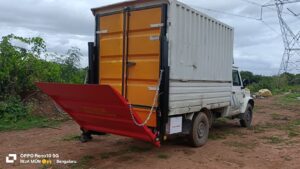
What is a Transport Tail Lift?
A Transport Tail Lift is a hydraulic or electro-hydraulic lifting platform installed at the rear of a truck, van, or commercial vehicle. It allows goods to be safely lifted between ground level and the vehicle’s cargo floor during loading and unloading operations.
The lift acts as a bridge between the ground and the transport vehicle, enabling workers to move heavy or bulky items efficiently without relying on forklifts or excessive manual handling.
How Does a Transport Tail Lift Work?
A transport tail lift operates using a hydraulic system powered by the vehicle’s electrical system. The platform can be lowered to ground level, loaded with goods, and then raised smoothly to the height of the truck bed.
Most modern tail lifts feature:
- Hydraulic lifting mechanisms
- User-friendly control panels
- Safety locks and anti-slip platforms
- High load-bearing capacities
- Durable steel or aluminum construction
These features ensure reliable operation while maintaining safety during loading and unloading tasks.
Benefits of Using a Transport Tail Lift
1. Enhanced Loading Efficiency
One of the primary advantages of a tail lift is its ability to significantly reduce loading and unloading time. Workers can move cargo directly onto the platform and lift it into the vehicle without requiring additional equipment.
This helps businesses complete deliveries faster and improve overall logistics performance.
2. Improved Workplace Safety
Manual lifting of heavy goods can lead to injuries, fatigue, and workplace accidents. A tail lift minimizes physical strain by handling the lifting process mechanically.
By reducing manual handling, businesses can create safer working environments and lower the risk of employee injuries.
3. Reduced Labor Costs
Since fewer workers are needed to load and unload cargo, companies can optimize workforce utilization. The efficiency gained through tail lift operations can contribute to lower labor costs and improved productivity.
4. Versatility Across Industries
Transport tail lifts can handle a wide variety of goods, making them suitable for multiple sectors, including:
- Logistics and transportation
- Retail distribution
- Medical gas cylinder delivery
- Food and beverage supply
- E-commerce fulfillment
- Manufacturing operations
- Industrial equipment transportation
Their versatility makes them an essential solution for businesses handling diverse cargo types.
5. Protection of Goods
Manual loading can lead to damage of heavy or fragile goods, increasing the risk of product loss. Transport tail lifts provide stable and controlled lifting, helping protect products from impacts, drops, and handling errors.
This contributes to reduced product damage and improved customer satisfaction.
Common Applications of Transport Tail Lifts
Retail Distribution
Retail companies rely on tail lifts to efficiently deliver products to stores, warehouses, and distribution centers. The lift simplifies handling of cartons, pallets, and inventory items.
Medical Cylinder Transportation
Hospitals and healthcare facilities require safe movement of oxygen cylinders and medical gases. Tail lifts allow secure loading and unloading of these critical supplies while minimizing manual effort.
E-Commerce Deliveries
As online shopping continues to grow, delivery fleets increasingly use transport tail lifts to manage large volumes of parcels and packages efficiently.
Industrial Logistics
Manufacturers often transport machinery, tools, spare parts, and heavy equipment. Tail lifts help facilitate safe cargo movement while reducing loading time.
Food and Beverage Industry
Transport tail lifts are commonly used for handling packaged food products, beverages, and refrigerated goods that require careful transportation.
Conclusion
A Transport Tail Lift is a valuable investment for businesses seeking to improve logistics efficiency, workplace safety, and cargo handling performance. By simplifying loading and unloading operations, transport tail lifts reduce manual labor, protect goods, and enhance productivity across various industries.
As transportation demands continue to grow, reliable transport tail lift solutions play a critical role in supporting modern supply chains and ensuring smooth, efficient cargo movement. Businesses that invest in quality tail lift systems can benefit from improved operational efficiency, reduced handling risks, and greater long-term value.