A Cantilever Hydraulic Tail Lift is one of the most practical and reliable loading solutions for commercial vehicles, logistics trucks, distribution fleets, and industrial transport applications. It is designed to lift goods safely from ground level to truck floor level and lower them back smoothly during unloading.
For businesses that handle heavy goods every day, manual loading can be slow, risky, and costly. A cantilever hydraulic tail lift helps reduce labour dependency, improve loading safety, protect goods from damage, and increase vehicle productivity.
What is a Cantilever Hydraulic Tail Lift?
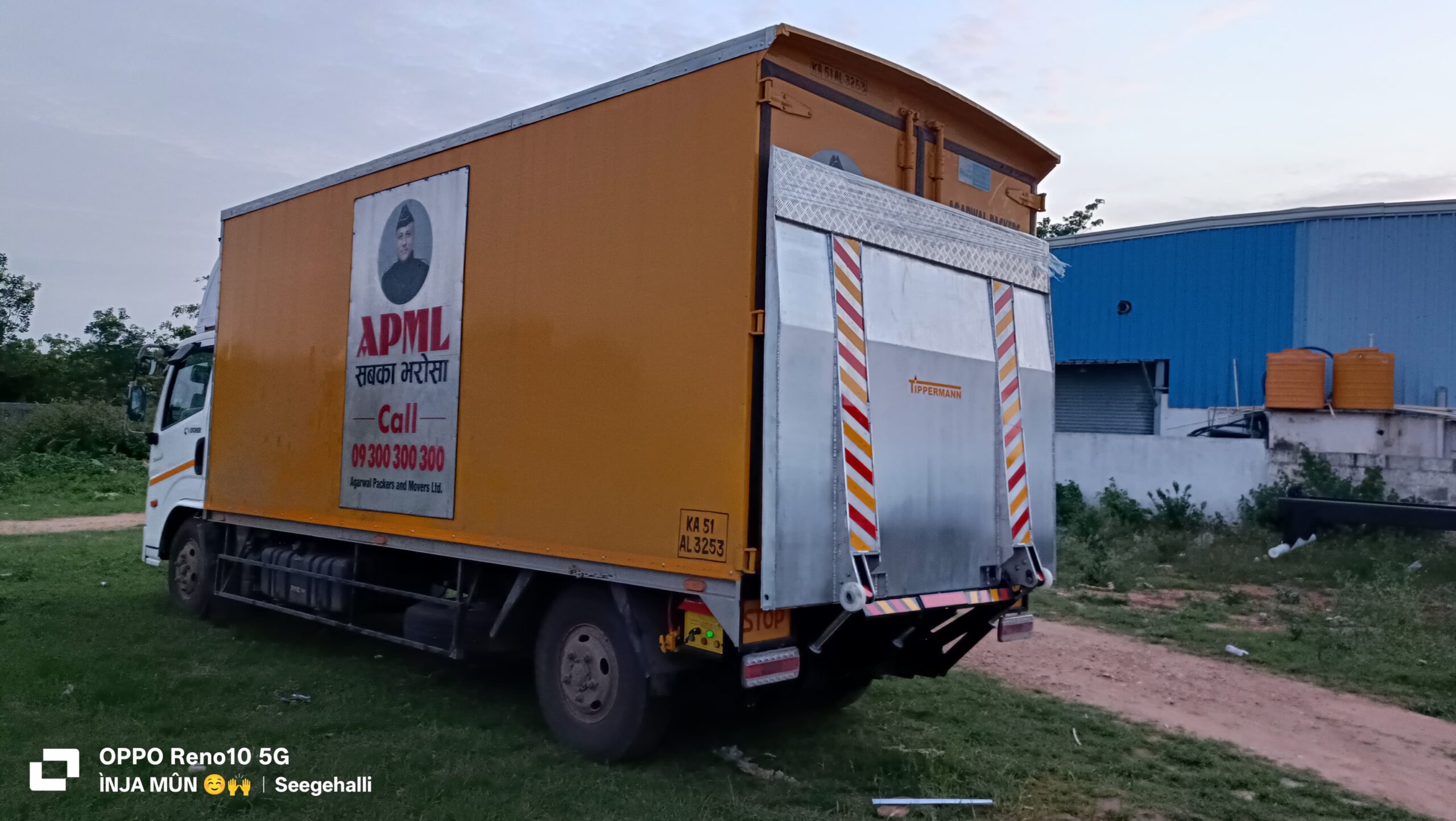
A cantilever hydraulic tail lift is a rear-mounted hydraulic lifting platform fitted to a truck or commercial vehicle. The platform works with hydraulic cylinders and lifting arms to open, close, lift, lower, and tilt as required.
Unlike basic loading ramps, a cantilever tail lift provides controlled hydraulic movement. This makes it suitable for handling pallets, boxes, machinery, industrial parts, retail goods, and other heavy materials.
It is commonly used where loading docks or forklifts are not available at every delivery point.
How Does a Cantilever Hydraulic Tail Lift Work?
A cantilever hydraulic tail lift works through an electro-hydraulic system. The operator controls the platform using switches or pendant controls. The hydraulic power pack supplies pressure to the cylinders, allowing the platform to move up and down safely.
The platform can be lowered to ground level for loading. Once goods are placed on the platform, it lifts them to the truck floor level. During unloading, the same process is reversed.
This simple but powerful system helps make loading and unloading faster, safer, and more professional.
Why Cantilever Hydraulic Tail Lifts Are Important
Many trucks operate in locations where there are no proper loading bays. In such situations, workers may depend on manual labour, temporary ramps, forklifts, or unsafe lifting methods.
This can create problems such as:
- Worker injuries
- Product damage
- Slow loading time
- Higher labour cost
- Vehicle waiting time
- Dependency on extra manpower
- Difficulty handling heavy goods
A cantilever hydraulic tail lift solves these problems by giving the vehicle its own loading system.
Key Benefits of Cantilever Hydraulic Tail Lift
1. Safe Loading and Unloading
Safety is one of the biggest advantages of a cantilever hydraulic tail lift. It reduces the need for workers to manually lift heavy materials into the truck.
Goods can be moved onto the platform using trolleys, pallet trucks, or manual handling equipment, and then lifted smoothly to vehicle floor height.
This helps reduce the risk of back injuries, slipping accidents, load dropping, and unsafe ramp loading.
2. Reduces Labour Cost
A tail lift can reduce the number of workers needed for loading and unloading. In many cases, one or two trained operators can handle goods that may otherwise require several people.
This improves daily efficiency and helps reduce long-term labour dependency.
3. Faster Vehicle Turnaround
Loading and unloading delays directly affect transport productivity. A cantilever hydraulic tail lift helps complete loading operations faster, especially for vehicles making multiple deliveries.
Faster turnaround means better fleet utilization and improved delivery performance.
4. Ideal for Different Loading Locations
Cantilever tail lifts are useful for locations without loading docks. They allow trucks to load and unload goods at factories, warehouses, retail stores, construction sites, industrial yards, and customer locations.
This makes the vehicle more independent and flexible.
5. Protects Goods from Damage
Manual loading often leads to dragging, dropping, or rough handling of materials. A hydraulic tail lift gives a stable lifting platform for smoother movement.
This is useful for fragile, packed, expensive, or precision goods such as auto components, electronics, machinery, and industrial parts.
6. Suitable for Heavy-Duty Applications
Cantilever hydraulic tail lifts are suitable for demanding commercial vehicle applications. They can be designed for different load capacities, platform sizes, vehicle types, and operating conditions.
This makes them ideal for logistics, transport, industrial distribution, and warehouse delivery operations.
Applications of Cantilever Hydraulic Tail Lift
A cantilever hydraulic tail lift is commonly used in:
- Logistics trucks
- Container body vehicles
- Distribution vehicles
- Industrial goods transport
- Automotive component delivery
- FMCG and retail supply vehicles
- E-commerce logistics fleets
- Warehouse delivery trucks
- Machinery transport vehicles
- Refrigerated vehicles
- Commercial goods carriers
Cantilever Tail Lift vs Manual Loading
Manual loading depends heavily on manpower and can be risky when goods are heavy or bulky. It also increases the chances of delay and material damage.
A cantilever hydraulic tail lift provides a safer and more efficient alternative. It helps businesses load goods professionally without depending on large labour teams or fixed loading infrastructure.
Cantilever Tail Lift vs Column Type Tail Lift
Both cantilever and column type tail lifts are useful, but their applications are different.
A cantilever hydraulic tail lift is more flexible for general loading and unloading applications. It can tilt and adjust to different ground conditions.
A column type tail lift is often suitable for container body vehicles where the platform may also work like a rear door and move vertically along columns.
For many general logistics applications, cantilever hydraulic tail lifts are a strong and practical choice.
How to Choose the Right Cantilever Hydraulic Tail Lift
Before selecting a cantilever hydraulic tail lift, consider:
- Vehicle type and body design
- Required lifting capacity
- Platform size
- Truck floor height
- Type of goods handled
- Loading frequency
- Operating environment
- Power supply requirement
- Safety features
- Installation space
- Service support availability
Choosing the correct model ensures better performance, longer life, and safer operation.
Important Safety Features to Consider
A good cantilever hydraulic tail lift should include proper safety features such as:
- Emergency stop system
- Anti-slip platform surface
- Hydraulic safety valves
- Controlled lifting and lowering
- Overload protection
- Warning markings
- Strong platform locking
- Reliable operator controls
- Proper installation and commissioning
Safety should always be a priority when selecting a tail lift for commercial vehicles.
Why Choose Koralift Cantilever Hydraulic Tail Lift?
Koralift provides professional hydraulic lifting solutions for trucks, commercial vehicles, and industrial logistics applications.
Our cantilever hydraulic tail lifts are designed with focus on strength, safety, durability, and practical use in Indian working conditions. We understand the challenges faced by fleet owners, logistics companies, factories, and transport operators.
Koralift supports customers with suitable tail lift selection based on vehicle type, load requirement, platform size, and application.
Conclusion
A Cantilever Hydraulic Tail Lift is a smart investment for companies that want safer loading, faster unloading, reduced labour dependency, and better vehicle productivity.
It gives commercial vehicles the ability to load and unload goods independently, even where forklifts or loading docks are not available.
For logistics, warehouse distribution, industrial transport, and commercial goods movement, cantilever hydraulic tail lifts offer a reliable and efficient loading solution.